Alcohol and domestic abuse
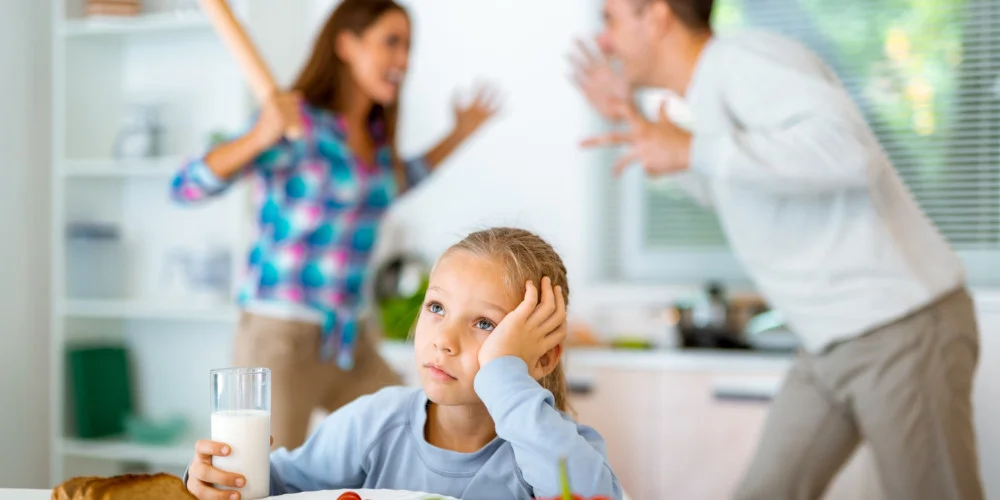
Alcohol gets blamed for domestic abuse because it makes the story easier to live with. If the violence happened because someone was drunk, then the person is not really violent, the alcohol is the villain, and everyone can keep hoping the next sober week will fix it. That story is comforting, and it is also dangerous.
Alcohol does not create values out of thin air. It does not teach someone to control, intimidate, humiliate, threaten, or assault a partner. What it does do is remove restraint, sharpen impulsivity, fuel paranoia, and turn existing entitlement into action. Alcohol can make abuse more frequent, more severe, and more unpredictable, but the root is still the person’s behaviour and belief system, not the bottle.
If you want to strike a nerve on social media, say it plainly, many homes are not unsafe because alcohol exists, they are unsafe because someone chooses violence and then hides behind alcohol to avoid accountability. Families hate hearing that, because it forces decisions.
Why people defend the “it was the alcohol” story
Families defend the alcohol excuse because the alternative is terrifying. If abuse is “out of character” and only happens when someone drinks, then the family can keep the relationship intact by managing drinking, hiding bottles, negotiating limits, or begging the person to calm down. It creates the illusion of control.
Victims also cling to it because it allows love and fear to live in the same house. A victim can say, I still love them, it is not really them, it is the drinking, and that narrative makes it easier to stay. It keeps hope alive, and hope is often the thing people use to survive day to day.
The abuser benefits most. If alcohol is the reason, then the abuser can apologise without changing, promise to cut down without real consequences, and frame themselves as someone who needs support rather than someone who needs to stop harming others. That is how the cycle repeats, because the home becomes organised around avoiding the next explosion instead of ending the violence.
Alcohol as an amplifier
Alcohol lowers inhibition, increases emotional reactivity, and affects judgment. That is well known and easy to observe. It can turn arguments into escalations and minor conflict into rage. It can also fuel memory gaps, denial, and distorted “I do not remember” stories that conveniently protect the abuser from responsibility.
But the key point is this, plenty of people drink and do not abuse their partners. Alcohol is a factor in many violent incidents, but it is not the cause of domestic abuse as a behaviour pattern. Abuse is about control and entitlement, and alcohol simply gives it more speed, more intensity, and more unpredictability.
That distinction matters because it changes the response. If you treat it as an alcohol problem only, you will keep trying to manage drinking. If you treat it as an abuse problem with alcohol as an accelerant, you will focus on safety, boundaries, consequences, and professional intervention that addresses violence and addiction together when both exist.
The patterns families miss
Domestic abuse is rarely one random incident. It often has a rhythm that families can learn to recognise, even if they have been trained to ignore it.
There is often a calm period where things feel normal and the abuser may even be charming. Then tension builds, small irritations become accusations, the atmosphere changes, the victim starts walking on eggshells, and everyone in the house becomes careful with tone and timing. Then the explosion happens, and it can include shouting, threats, intimidation, physical violence, or sexual coercion. Afterward comes the apology, the crying, the remorse, the promises, the gifts, the “I will stop drinking” speech, and the request to keep it private.
Alcohol often sits inside that cycle as a trigger point, but the cycle exists because it works. It keeps the victim off balance, it keeps the family hopeful, and it keeps the abuser in control. If you want real change, you have to stop treating apologies as progress and start measuring behaviour over time, especially when stress returns and accountability is required.
What abuse looks like when it is not always physical
Many people still only count domestic abuse as violence that leaves bruises. That misunderstanding keeps victims trapped because they tell themselves it is not that bad yet.
Domestic abuse can be threats, intimidation, destruction of property, controlling money, monitoring phones, isolating someone from friends, humiliating them in front of others, forcing sex, or using children as leverage. Alcohol can intensify all of it, especially verbal cruelty and unpredictable mood swings that keep a household in a constant state of vigilance.
When a victim says, I am scared of them when they drink, that is already serious. Fear is not a normal relationship feature. A home that runs on fear is not a stable home, even if the violence is “only sometimes.”
The most dangerous moment
Here is a truth that gets people angry, sobriety does not automatically make someone safe. Some abusive people stop drinking and remain controlling, manipulative, and intimidating. In some cases, removing alcohol can even sharpen their control because they are more organised and more deliberate. This is why families must not confuse sobriety with transformation, and why victims must not be pressured to stay simply because the person is “trying now.”
If the abuser is serious, they need more than abstinence. They need accountability. They need professional help that addresses violence and control, not just substance use. They need consequences that are real, not emotional speeches and promises. They need to accept that the victim’s safety and choice come first, even if that means separation.
When addiction and abuse overlap
Some homes do have both, addiction and domestic abuse. In those cases, the situation is more complex, but the response still starts with safety.
Rehab can help an addicted person stabilise, but rehab is not automatically an abuse intervention. A facility can treat withdrawal and cravings while never addressing control, entitlement, and violence, and then the person returns home sober and still unsafe. Families often assume treatment fixes everything, then they are shocked when the same behaviour returns.
If a person has been violent, treatment must include a clear plan for protecting the victim, for managing risk, and for addressing abusive behaviour directly. If the victim is pressured to forgive, to return, or to keep the peace, the system is already working in the abuser’s favour.
You do not have to prove it is “bad enough”
Victims often delay action because they feel they must justify leaving, justify calling the police, justify telling family, justify seeking a protection order. They minimise because they are worried about being judged, and they are also often dealing with psychological manipulation that makes them doubt their reality.
If alcohol is involved, victims often tell themselves it is temporary, or they blame themselves for “triggering” the person, or they think they must support the person through sobriety first. That is a trap. A victim does not owe someone access to them while they figure themselves out.
If you are unsafe, you do not need permission to act. You do not need the perfect story. You do not need a final incident that convinces everyone. You need safety, and you need support that takes your fear seriously.
Alcohol problems are treatable, abuse is criminal
It helps to say it clearly, domestic abuse is not a relationship issue, it is a safety issue and often a criminal issue. Alcohol dependence is a health issue. Both can exist together, but they require different accountability structures.
A person can get treatment for alcohol. A person can also be held accountable for violence. Those two things are not in conflict. If anything, accountability is part of what makes change possible. When families protect someone from consequences, they often protect the behaviour.
If someone’s drinking is linked to violence, the priority is immediate safety, not the person’s comfort, not the family’s reputation, and not the fantasy of keeping everything normal. Normal is already gone if fear is in the home.
What to do if you are reading this and recognising your home
If you are living with someone who becomes abusive when drinking, treat it like a risk that can escalate, because it often does. Make safety decisions when the person is sober, not during an incident. Tell someone you trust what is happening. Document incidents if you can do so safely. Have a plan for where you can go. Keep emergency numbers accessible. If you are in immediate danger, call for help.
If you are the one drinking and becoming violent, stop hiding behind remorse. Remorse is not repair. Get professional help that addresses both substance use and violence, and accept that the people you harmed may not stay, even if you change. That is not unfair, it is the cost of what you did.